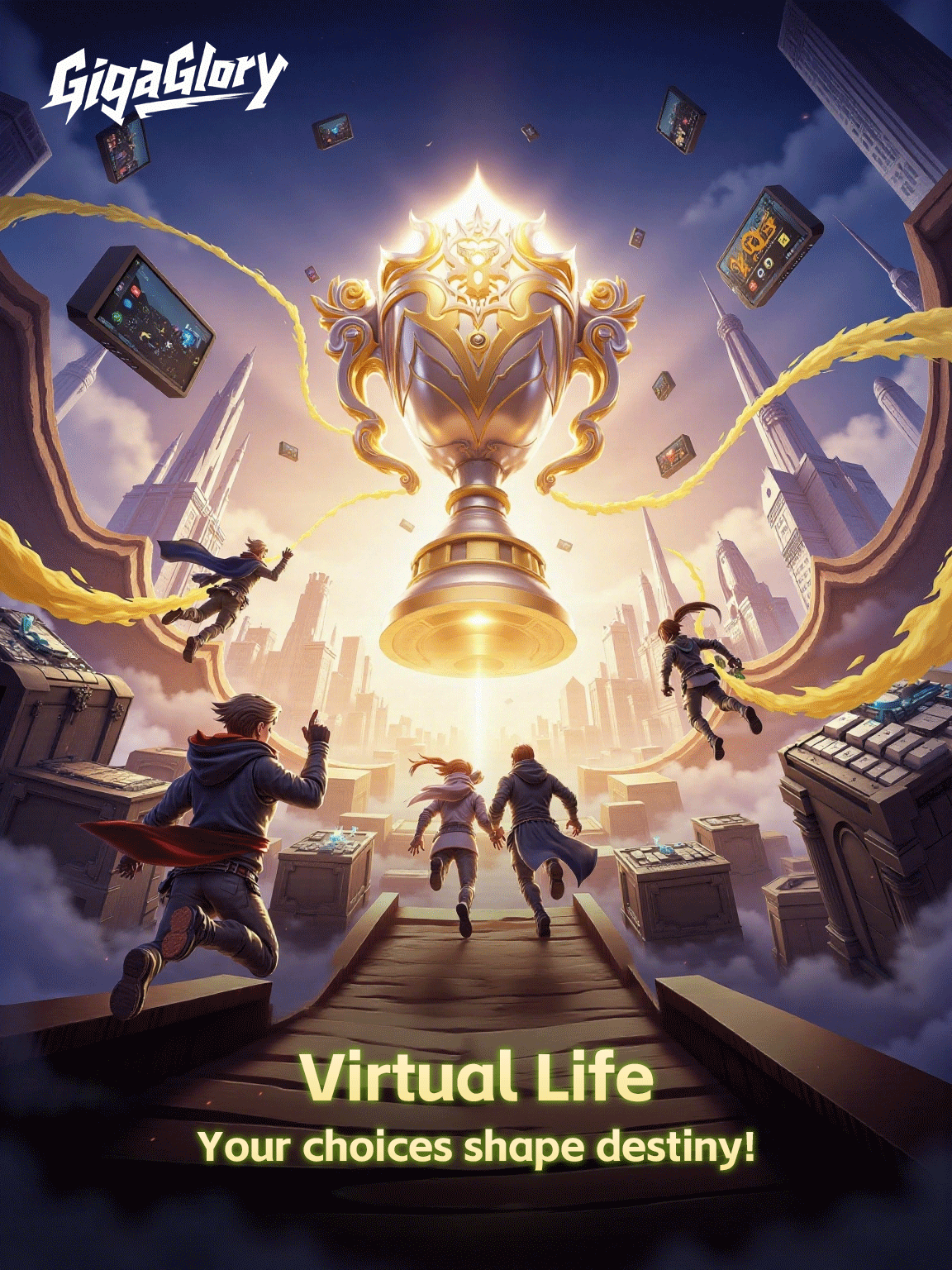
Why Strategy Games Are the Ultimate Adventure: Unleashing Your Inner Tactician
Welcome to the thrilling world of strategy games, where each decision can lead to glory or disaster. These games aren’t just about luck; they require careful planning, critical thinking, and a dash of creativity. In this article, we’ll delve into why strategy games are considered the ultimate adventure and how they can help you unleash your inner tactician. Buckle up, and let's embark on this exciting journey!
The Allure of Strategy Games
What attracts players to strategy games? It’s the complexity and depth that keep us engaged. Whether we are managing resources in a city-building sim or plotting military victories in a real-time strategy game, the choices we make lead to unique outcomes, making every playthrough distinct and exhilarating.
Types of Strategy Games
- Turn-Based Strategy (TBS): These allow players to take their time, think through their moves, and develop long-term strategies.
- Real-Time Strategy (RTS): Fast-paced and action-packed, requiring quick decision-making and reflexes.
- 4X Games (Explore, Expand, Exploit, Exterminate): These combine grand strategy with resource management.
- Card Games: Games like Smith Matching challenge players to build decks and strategize against opponents.
Why Adventure is a Core Element
Adventure is fundamentally about exploration and discovery. In strategy games, each level or mission is an adventure in itself, where players uncover new tactics, face unforeseen challenges, and engage with a rich narrative that adds depth to their gaming experience.
Comparison: Strategy vs. Action Games
| Criteria | Strategy Games | Action Games |
|---|---|---|
| Pacing | Calculated, methodical | Fast-paced, reactive |
| Decision Making | Strategic planning | Instinct and reflex |
| Outcome Impact | Long-term consequences | Immediate results |
| Replayability | High, due to different strategies | Moderate, often dependent on level design |
Unleashing Your Inner Tactician
To become a formidable tactician, one must hone skills like foresight, planning, and adaptability. Strategy games serve as a training ground for these abilities. Instead of fighting through a level mindlessly, you’ll engage in building an effective strategy, anticipating opponents’ actions, and even learning from mistakes made in previous attempts.
Community and Multiplayer Experience
Many strategy games have robust online communities. Multiplayer modes allow players to compete against real opponents, testing their tactics in an ever-evolving landscape. This contrasts sharply with single-player experiences, where you can predict outcomes to some extent. The unpredictability of human players creates a more vibrant adventure.
Impact on Cognitive Skills
Playing strategy games has been shown to improve many cognitive skills:
- Critical Thinking: Analyzing situations, assessing risks, and making informed decisions.
- Problem Solving: Finding solutions in complex scenarios.
- Memory: Remembering past strategies and the structures of opponents’ approaches.
Delta Force Hawk Ops Twitch Drops
One of the booming trends in gaming is the integration of live streaming platforms like Twitch with games. Delta Force Hawk Ops, a popular strategy game, offers special rewards for players who watch streams. This fusion of gaming and community engagement creates an exciting new layer of adventure!
What Makes a Great Strategy Game?
When judging the quality of a strategy game, consider these key points:
- Depth of Strategy: How many viable paths a player can take to achieve victory.
- Balance: Each game should be fair and provide equal opportunities for all players.
- Replayability: The more unique strategies a game allows, the longer it stays fresh.
- Community Support: Ongoing updates and community feedback can greatly enhance a game's longevity.
Case Study: A Deep Dive into a Popular Strategy Game
Let’s take a popular game like Age of Empires. This classic exemplifies many appealing aspects of strategy games. Players engage in deep resource management, tactical military strategies, and a historical narrative that enriches the experience. The constant updates and vibrant community contribute to its enduring success.
The Learning Curve: How to Get Started
Starting in the realm of strategy games can feel daunting. Here are some tips for beginners:
- Start with simpler games to build foundational skills.
- Watch tutorials to understand core mechanics.
- Join forums and communities for support and strategies.
Embracing Failure: A Learning Opportunity
One of the most enriching aspects of strategy games is the possibility of failure. Losing a match isn’t the end; it provides a foundation for growth. Analyzing what went wrong and adapting future strategies creates a positive cycle of learning.
Final Thoughts: The Adventure Awaits
When you dive into the world of strategy games, you’re not just playing; you’re embarking on an adventure that tests your wits, showcases your creativity, and hones your skills. Whether you’re discovering new worlds in adventure games or conquering foes in a tactical battle, there’s always something to learn and achieve. So, grab your controller, and start strategizing — your ultimate adventure awaits!
Conclusion
In summary, strategy games provide a thrilling blend of fun, cognitive development, and community engagement. The potential for personal growth and the exhilarating challenge makes them the ultimate adventure. Whether you're looking to improve your mental agility or simply seeking an enjoyable gaming experience, strategy games are a perfect choice. Now, unleash your inner tactician and enjoy the game!